
SEN and Neurodiversity Awareness: Understanding the Overlap and Differences

When it comes to understanding how children and young people learn, communicate, and experience the world, two terms often come up: neurodivergent and SEN (Special Educational Needs). While they are closely related, they don’t mean the same thing and understanding the difference can help us better support the children in our lives.
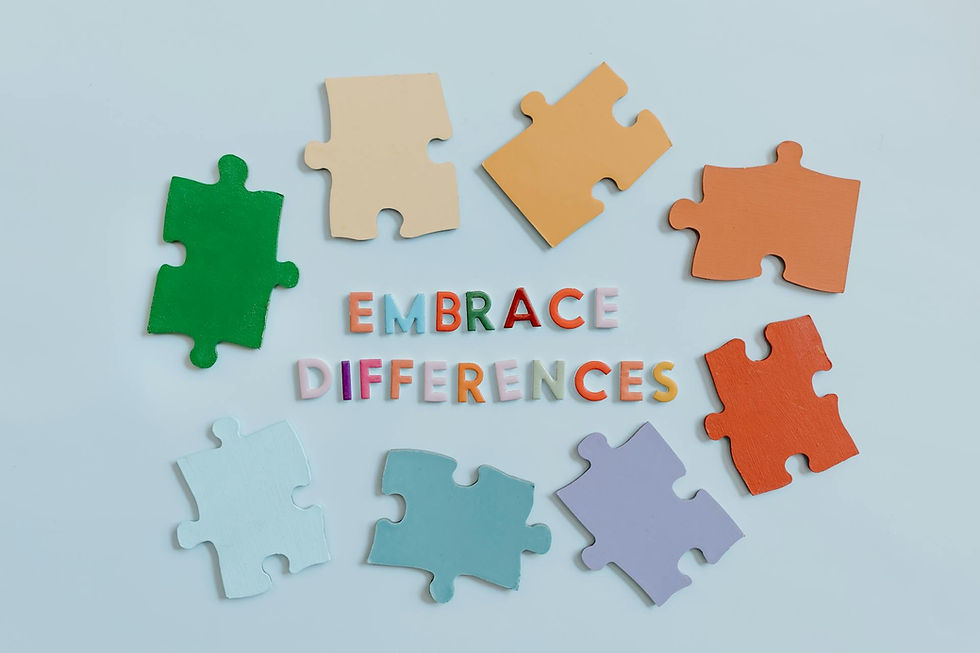
Neurodivergence:
Neurodivergence refers to the natural variation in how brains are wired. It includes individuals whose brains function differently from what is considered “neurotypical.” This can include conditions such as autism, ADHD, dyslexia, dyspraxia, and more. Neurodivergent individuals may process information, interact, and respond to the world in ways that are simply different, not wrong. Neurodivergence is not a diagnosis in itself, but rather a broad, inclusive term that celebrates cognitive diversity.
Special Educational Needs (SEN):
SEN, on the other hand, is a legal and educational term used to describe children and young people who need additional support to access learning and make progress. A child may have SEN due to a learning difficulty, disability, or developmental delay. This could be related to a neurodivergent condition, but it could also stem from other factors—such as speech and language needs, physical disabilities, or emotional and mental health challenges.

So how do they relate?
Many neurodivergent children will have Special Educational Needs and require support in school to help them thrive. However, not all children with SEN are neurodivergent, and not all neurodivergent children require SEN support. The two can overlap, but they are not interchangeable.
In the UK, around 1.5 million children are identified as having SEN, and an increasing number of families and schools are recognising the importance of understanding both neurodiversity and educational needs. Whether you’re a parent, carer, educator, or friend, deepening your awareness of both concepts can help create more inclusive, supportive environments where children feel valued and understood.
Common Types of SEN
SEN can take many different forms, and each child’s needs, and strengths are unique. Some children may need a little extra support, while others may benefit from more tailored, ongoing intervention. Below are some of the most commonly recognised types of SEN, many of which may also relate to neurodivergent profiles.

Myths vs. Facts: Let’s clear up some common misconceptions…
Understanding the truth about Special Educational Needs (SEN) is key to building a more inclusive, supportive environment for everyone. Below are some of the most common myths—and the facts that help set the record straight.

Understanding SEN and neurodivergence goes far beyond labels or checklists, it’s about recognising and celebrating the individuality of each person. When we deepen our awareness, challenge misconceptions, and advocate for the right support, we create space for every child, young person, and family to feel seen, heard, and empowered.
SEN is not a one-size-fits-all experience. It exists on a spectrum and looks different for every individual. By learning more, staying curious, and approaching others with empathy and compassion, we can play an important part in building inclusive environments where everyone has the opportunity to thrive.
Whether you’re a parent, educator, carer, or friend, you don’t have to navigate this journey alone. Throughout this tab, you’ll find supportive tools, practical guidance, and thoughtful resources to help you feel more informed and confident- wherever you are on the path.
Because everyone deserves to feel understood. And everyone deserves the chance to flourish.
Comments